Arnaud Compas · Nexus Azeo
It was a crisp autumn morning in Burgundy, and the sun rose lazily over rows of Pinot Noir vines. The vineyard owner, Pierre, sipped his coffee as he surveyed the landscape. Generations of his family had tilled this soil, producing some of the world’s finest wines. But today, something felt off. The grapes were ripening weeks earlier than his grandfather ever remembered, and the flavours—once precise, with a signature acidity—were now changing. The unique character of his wine, tied so intimately to this land, seemed to be slipping through his fingers. What Pierre was experiencing is not unique; it is a story playing out across wine regions globally, where climate change is fundamentally altering the concept of terroir.
1. The Essence of Terroir The Changing Face of Terroir: Climate Change and the Future of Winemaking
At its heart, terroir is the alchemy of soil, topography, climate, and biodiversity, culminating in a wine’s distinctive character. Each element is a piece of the puzzle, from the mineral composition of the soil to the cool breezes that moderate temperatures. This interplay creates the identity of a wine, making a Châteauneuf-du-Pape unmistakable from a Barolo. However, as the climate shifts, so too does this delicate balance.
Global temperatures are on the rise, with projections suggesting an increase of 2.5–5.5°C by the end of the century. Europe, the cradle of viticulture, is expected to face warming beyond the global average. These changes threaten not just wine quality but the entire cultural and economic structures built around these renowned regions.
2. How Climate Change is Transforming Vineyards
The effects of climate change manifest in every corner of the vineyard. In Alsace, budburst is occurring up to 11 days earlier, and in Burgundy, Pinot Noir ripens 3–5 weeks ahead of its historical schedule. These shifts disrupt traditional winemaking cycles, forcing growers to rethink their approach. The Changing Face of Terroir: Climate Change and the Future of Winemaking
Temperature Increases
Warmer climates often yield wines with higher alcohol content, reduced acidity, and a diminished profile of secondary compounds—the very nuances that differentiate a Grand Cru from a generic bottle. Regions like Bordeaux, long synonymous with Cabernet Sauvignon and Merlot, may soon find these varieties unsustainable, turning instead to heat-tolerant grapes such as Syrah and Grenache.
Phenological Changes
Phenological stages, like flowering and ripening, are advancing, leaving less room for the slow, steady maturation that defines exceptional wines. Early ripening not only affects flavour but also exposes grapes to the risk of late-season heatwaves or wildfires.
Geographical Shifts
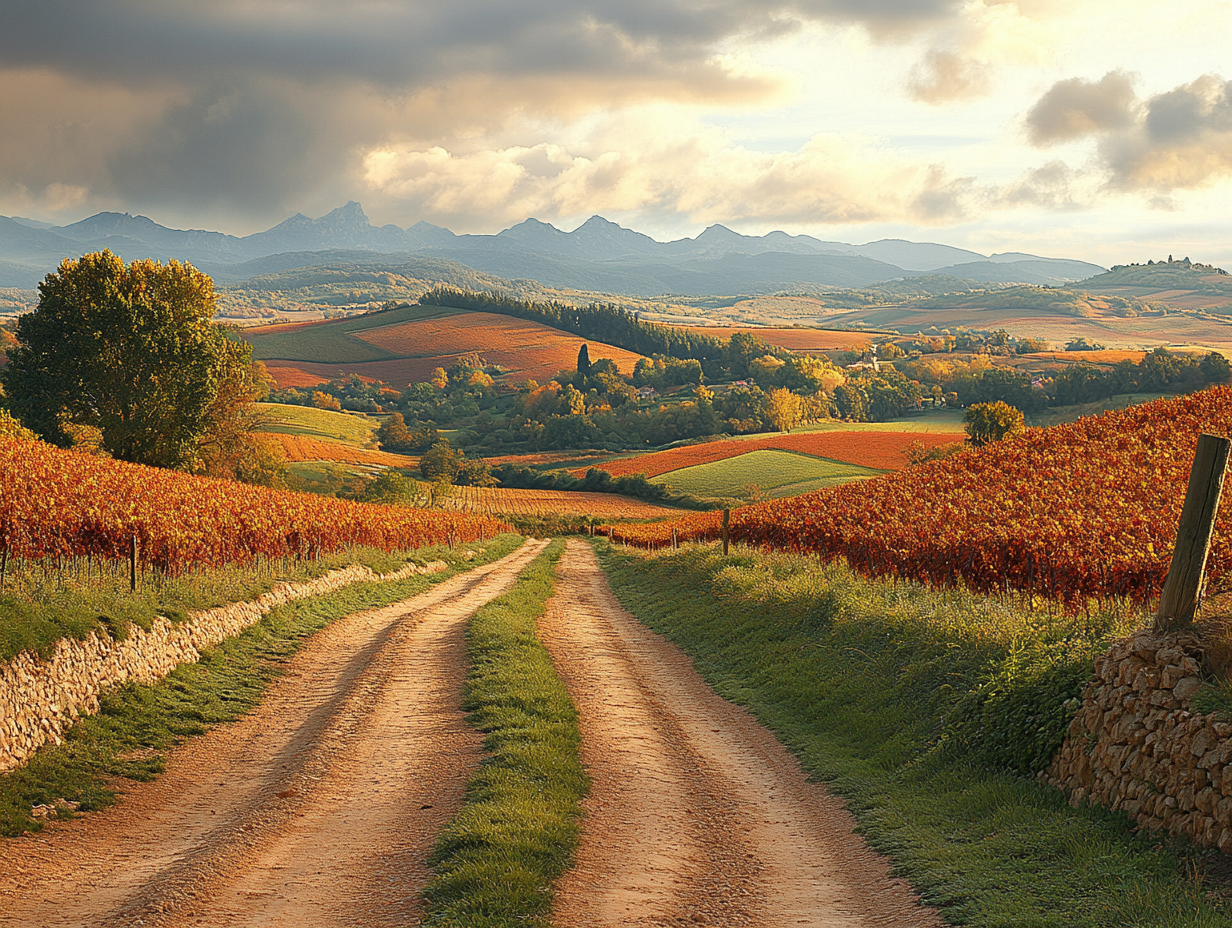
Perhaps most striking is the geographical reshuffling of winemaking. Traditional regions are being forced to adapt, while new ones, like England’s chalky soils, are emerging as unlikely contenders. Vineyards are also creeping up slopes and moving to higher altitudes in a bid to find cooler climates.
3. Strategies for Adaptation
While these changes present daunting challenges, the resilience of the wine industry has always been its hallmark. Producers are experimenting with a mix of old wisdom and modern innovation to safeguard their craft.
Viticultural Practices
In regions facing extreme heat, growers are harvesting earlier to avoid overripening, experimenting with canopy management to shield grapes from intense sunlight, and even exploring drought-resistant irrigation techniques. These measures aim to preserve balance in the wine while responding to the changing climate.
Varietal Innovation
Breeding programs are working on developing grape varieties better suited to warmer climates. Researchers are also experimenting with grafting vines onto rootstocks that can withstand shifting environmental conditions.
Technological Advancements
The advent of precision viticulture, employing tools like remote sensing and data analytics, allows winemakers to monitor their vineyards with unprecedented accuracy. By mapping microclimates and soil variations, growers can make targeted decisions to optimise quality.
4. Cultural and Economic Ripple Effects
The implications of climate change extend far beyond the vineyard. As wine styles evolve, so too do consumer expectations. Regions that once built their reputations on a specific flavour profile may struggle to maintain their market share, while new players, such as Scandinavian vineyards, step into the spotlight.
Cultural Heritage at Risk
At its core, wine is a cultural artefact, a liquid history that tells the story of its region. Losing a specific terroir is akin to erasing a piece of that history. The unique flavours of a Sauternes or a Chianti are not merely products but identities, tied to place and tradition. Climate change threatens to sever this bond, replacing centuries-old practices with the uncertainty of adaptation.
Market Dynamics
The global wine market could undergo a seismic shift, with emerging regions competing with established powerhouses. While this democratisation of viticulture has its advantages, it also raises questions about authenticity and the preservation of traditional winegrowing regions.
5. The Road Ahead
As Pierre finished his coffee, he wondered about the future of his vineyard. The changes unfolding around him were both daunting and inspiring. Could he preserve the legacy of his family while embracing the innovations necessary for survival? Would the wine that flowed from these vines still carry the spirit of Burgundy, even as its flavours evolved?
Reflection on Wine
Wine has always been more than a beverage; it is a story of place, time, and human endeavour. Each bottle carries the essence of its terroir—an expression of soil, climate, and culture, shaped by generations of care. Climate change is undoubtedly rewriting this story, but it need not erase it. Instead, it offers a new chapter, one where tradition and innovation walk hand in hand.
The resilience of winemakers, their willingness to adapt and experiment, mirrors the very nature of wine itself—a living, breathing product that evolves with time. As consumers, understanding this journey allows us to appreciate wine not just as a taste but as a testament to the artistry and ingenuity of those who craft it. The road ahead is uncertain, but with care and creativity, the magic of wine can endure, offering a beacon of hope in a changing world.
Further reading
🔗 How Climate Change is Reshaping Wine
🔗 The Future of Winemaking: What Producers Need to Know
🔗 Emerging Wine Regions: The Unexpected Winners of Global Warming
By Arnaud Compas