Navigating the Storm: UK Wine Crisis Consulting for Resilient Growth
- arnaud compas
- 2 days ago
- 4 min read

The UK wine industry, a tapestry woven with tradition and innovation, faces challenges that can unsettle even the most seasoned players. From shifting consumer tastes to supply chain disruptions and regulatory changes, the landscape is as volatile as a freshly uncorked bottle. I’ve witnessed firsthand how effective consulting can transform these crises into opportunities for growth and reinvention. Let me take you through the art and science of uk wine crisis consulting, where strategy meets sensitivity, and resilience is crafted with precision.
Understanding the Pulse of UK Wine Crisis Consulting
When the wine industry stumbles, it’s not just about lost sales or disrupted shipments. It’s about the delicate balance of reputation, customer trust, and market positioning. Effective consulting in this arena requires a deep dive into the unique pressures faced by UK wine businesses today.
The first step is diagnosis. What exactly is the crisis? Is it a sudden drop in demand due to economic uncertainty? Or perhaps a supply chain bottleneck caused by Brexit-related customs delays? Maybe it’s a reputational issue sparked by quality concerns or sustainability challenges. Each crisis demands a tailored approach.
For example, a boutique vineyard in Sussex recently faced a crisis when a shipment of premium bottles was delayed at the port. The consulting team didn’t just advise on logistics; they helped craft a transparent communication strategy that reassured customers and maintained brand loyalty. This holistic approach is the hallmark of successful consulting.
Key strategies include:
Rapid assessment of the crisis impact on operations and brand
Stakeholder engagement to align internal teams and external partners
Scenario planning to anticipate future disruptions
Communication frameworks that balance honesty with optimism

The Role of Strategic Foresight in UK Wine Crisis Consulting
In the fast-evolving UK market, reactive measures are no longer enough. Strategic foresight is the compass that guides businesses through uncertainty. This means not only managing the current crisis but also building resilience against future shocks.
I often advise leadership teams to adopt a dual lens approach: immediate crisis management paired with long-term strategic planning. This might involve diversifying supply sources, investing in digital sales channels, or rethinking product portfolios to align with emerging consumer trends like organic and low-alcohol wines.
Consider the example of a London-based wine retailer who, during a supply disruption, pivoted quickly to promote local and sustainable wines. This not only mitigated losses but also positioned the brand as a leader in ethical consumption—a move that paid dividends well beyond the crisis.
Incorporating technology is another pillar of foresight. Data analytics can predict demand fluctuations, while AI-driven inventory systems optimize stock levels. These tools empower businesses to act swiftly and decisively.
Practical recommendations:
Conduct regular risk assessments with scenario modeling
Build flexible supply chains with multiple sourcing options
Leverage customer data to anticipate shifts in preferences
Invest in staff training to enhance crisis responsiveness
What is the 20 Minute Wine Rule?
The 20 Minute Wine Rule is a simple yet powerful guideline that resonates deeply within the wine community. It suggests that allowing a wine to breathe for about 20 minutes before drinking can significantly enhance its flavour profile. This pause lets the wine open up, releasing aromas and softening tannins, much like how a business needs time to adapt and recover during a crisis.
In consulting, this rule serves as a metaphor for patience and timing. Just as rushing to drink a wine too soon can mask its true character, hasty decisions in a crisis can obscure opportunities and deepen problems. I encourage clients to take a moment—20 minutes or more—to assess the situation calmly, gather insights, and then act with clarity.
This principle also applies to customer experience. Educating consumers about the 20 Minute Wine Rule can enhance their appreciation and loyalty, turning a simple act into a memorable ritual. It’s a reminder that sometimes, the best results come from thoughtful pacing rather than immediate reaction.
Crafting Communication That Resonates in Crisis
In the midst of turmoil, words become the lifeline between a brand and its audience. Effective communication is not just about conveying facts; it’s about telling a story that reassures, inspires, and mobilises.
I’ve seen how a well-crafted message can transform panic into confidence. During a recent supply chain hiccup, a UK wine distributor used transparent updates combined with behind-the-scenes stories of their team’s efforts. This approach humanised the brand and deepened customer trust.
When consulting on communication strategies, I focus on three pillars:
Clarity: Avoid jargon. Speak plainly about what’s happening and what’s being done.
Empathy: Acknowledge customer concerns and show genuine care.
Action: Provide clear next steps or alternatives to keep customers engaged.
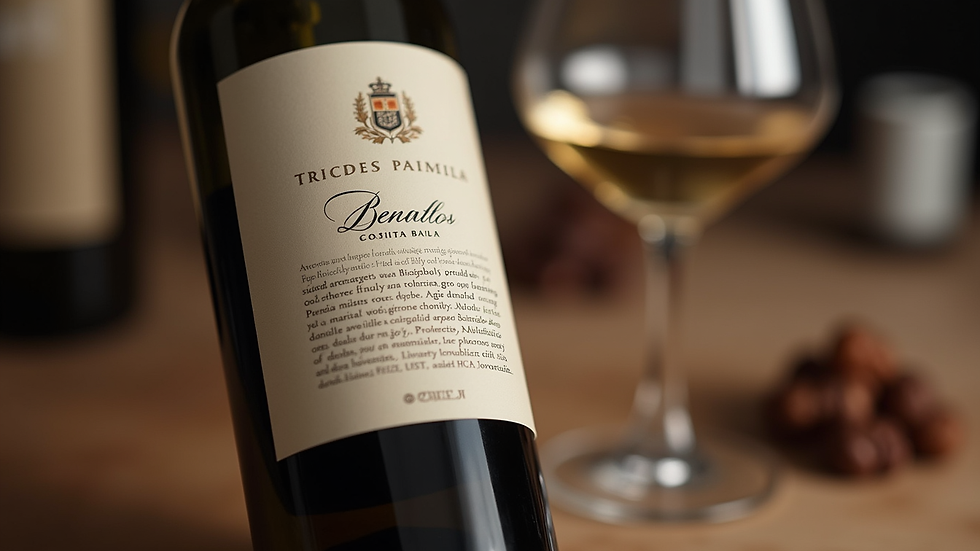
Digital platforms amplify these messages. Social media, email newsletters, and websites become channels for real-time updates and interactive dialogue. Visual storytelling—photos of vineyards, winemakers, and the journey from grape to glass—adds emotional depth.
Building Resilience: Beyond Crisis Management
True consulting goes beyond firefighting. It’s about embedding resilience into the DNA of a business. This means creating systems, cultures, and strategies that not only withstand shocks but emerge stronger.
I advocate for a resilience framework that includes:
Financial agility: Maintaining cash reserves and flexible budgeting
Operational flexibility: Cross-training staff and diversifying suppliers
Brand adaptability: Evolving product lines and marketing to meet new demands
Sustainability focus: Aligning with environmental and social governance trends
One inspiring case involved a vineyard that integrated sustainable practices during a market downturn. This not only reduced costs but attracted a new segment of eco-conscious consumers, turning adversity into advantage.
For those seeking expert guidance, wine industry crisis consulting uk offers tailored solutions that blend traditional values with innovative strategies. This partnership approach ensures that every challenge is met with expertise and empathy.
Embracing Change as the New Vintage
The UK wine industry’s future is a blend of heritage and innovation, much like a fine wine that matures with time. Crises, while daunting, are catalysts for transformation. With the right consulting, businesses can navigate these storms with confidence, emerging more agile and aligned with their market.
I invite you to view each challenge as a vintage moment - a chance to refine, rethink, and reimagine. The journey may be complex, but the rewards are rich and enduring. Together, we can craft a resilient future where tradition and innovation pour seamlessly into every glass.
By embracing strategic foresight, clear communication, and resilience-building, the UK wine industry can not only survive crises but thrive beyond them. The path is clear - it’s time to uncork potential and savour the possibilities.


Comments